


 There’s nothing like a good night’s sleep to help you feel energized, rested, and mentally alert for the challenges of a new day. Unfortunately, if you suffer from sleep apnea or suspect that you do, a good night’s sleep may seem like an impossible dream.
What to do…and what causes sleep apnea?
There are different types of sleep apnea, but the most common form is obstructive sleep apnea. This occurs when the muscles in the back of your throat relax during sleep, causing your airway to narrow or close altogether. If your partner has told you that you snore loudly, you are very likely struggling to breathe all night long. If you can’t get enough air, airway failure may cause you to awaken sporadically throughout the night. It happens so fast that you don’t even remember it. Some sleep study tests have shown that people with sleep apnea wake up over 100 times a night.
No wonder you feel so tired!
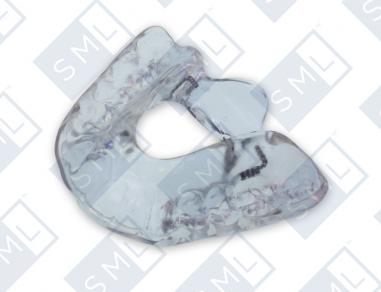
The most promising solutions? A continuous positive airway pressure (CPAP) machine or a mandibular appliance for sleep apnea (pulls your lower jaw forward). There are many other options, depending upon your physical makeup and tolerance levels. The next time you visit your dentist, consider asking about whether or not a mandibular appliance for sleep apnea is right for you.
Location
United States
40° 45' 21.7368" N, 94° 49' 25.266" W
See map: Google Maps